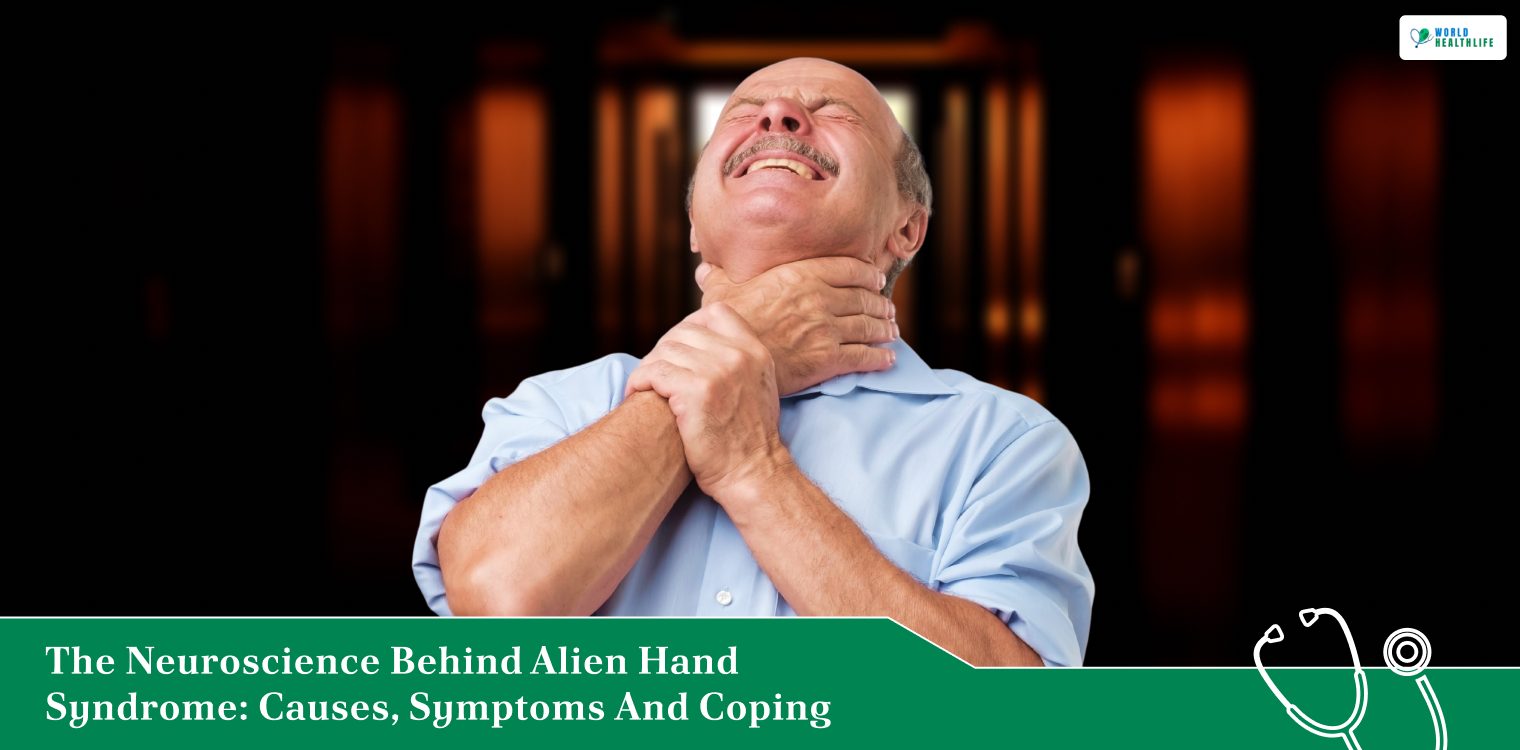
Have you ever wondered about this scenario? Think about waking up just to find your own hand refusing to obey you. Rather than that, it starts to act with an eerie autonomy.
This is the chilling reality of Alien Hand Syndrome, which is a rare neurological disorder. Furthermore, it completely shatters a person’s sense of personal agency.
The condition causes a limb, generally the left hand, to perform intentional movements without any conscious intent. This feels completely foreign to the person.
People also call the phenomenon Dr. Strangelove Syndrome. The nickname comes from the iconic film character whose hand acts independently. Although the condition sounds like science fiction, it is a documented neurological reality.
The condition offers a unique window into the brain’s complex task-management system. It further shows what happens when our motor execution splits from conscious willpower.
The article explores the mechanics of AHS. It will examine its distinct subtypes, structural causes, and daily management strategies.
A deeper understanding of this condition sheds light on how brains build our sense of self. It will further highlight the fragile boundaries of human free will.
What Exactly is Alien Hand Syndrome?
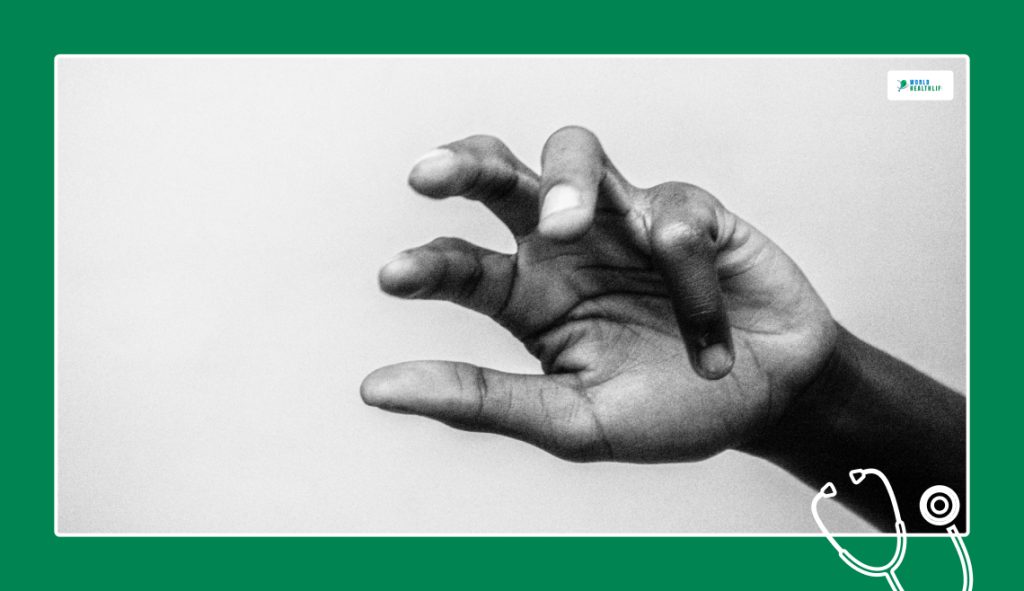
Alien Hand Syndrome is a fascinating but distressing neurological disorder. Featuring involuntary but highly coordinated movements of a limb, the patient feels completely detached from the affected arm or leg.
Patients with this condition often view it as a separate entity with its own distinct intentions.
Alien Hand Syndrome: A Rare Neurological Disorder
At its core, Alien Hand Syndrome represents a total breakdown in the internal communication in the brain.
The motor networks of the brain can still plan and execute actions. However, damage to the pathways prevents them from signaling conscious ownership of those actions.
The patient retains normal physical sensation and muscle strength in the limb. Despite that, they lose all conscious control over what it does.
Oftentimes, they discover their hand is moving only by looking directly at it.
Differentiating The Movements
It is important to analyze the nature of these movements.
AHS does not cause random twitches, tremors, or spastic jerks. Instead, the subjects perform complex, highly organized, and goal-directed movements.
The alien hand will reach out to grasp a coffee cup. It may pick up a pen and doodle or manipulate nearby objects.
The actions look intentional to an outsider observer. However, the patient is just a passenger to their own physical movements.
Common Misconceptions Surrounding The Condition
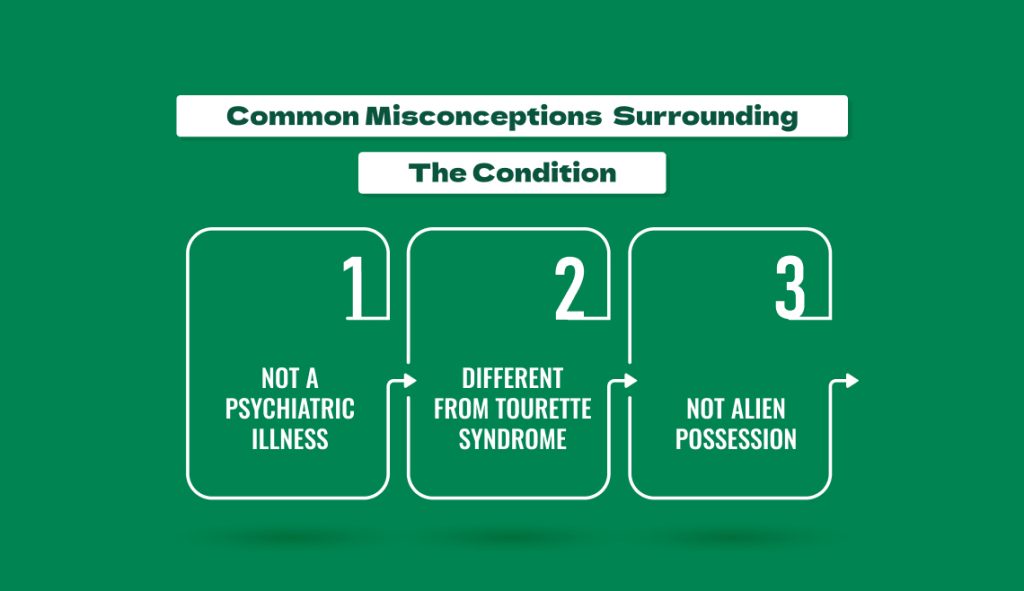
Its bizarre presentation at times misleads observers about Alien Hand Syndrome. Moreover, those unfamiliar with neurological literature often misdiagnose it.
Clear boundaries must be drawn to separate this physical injury from other conditions.
Not A Psychiatric Illness
AHS is not a mental health condition, delusion, or psychosis. In fact, patients are completely sane.
They are fully aware that their hand is acting against their wishes. The main issue is a physical structural defect in brain wiring instead of a psychological breakdown.
Different From Tourette Syndrome
AHS is usually confused with Tourette syndrome. However, they are entirely different.
Tourette tics are simple and repetitive movements that are driven by a pemonitory urge. The urge acts like a physical itch that must be scratched. The actions are complex, with no warning signs or normal tension before occurrence.
Not Alien Possession
Despite historical folklore or horror movie tropes, the condition has nothing to do with supernatural forces. Moreover, it is a purely mechanical failure of the human central nervous system.
Types And Their Symptoms
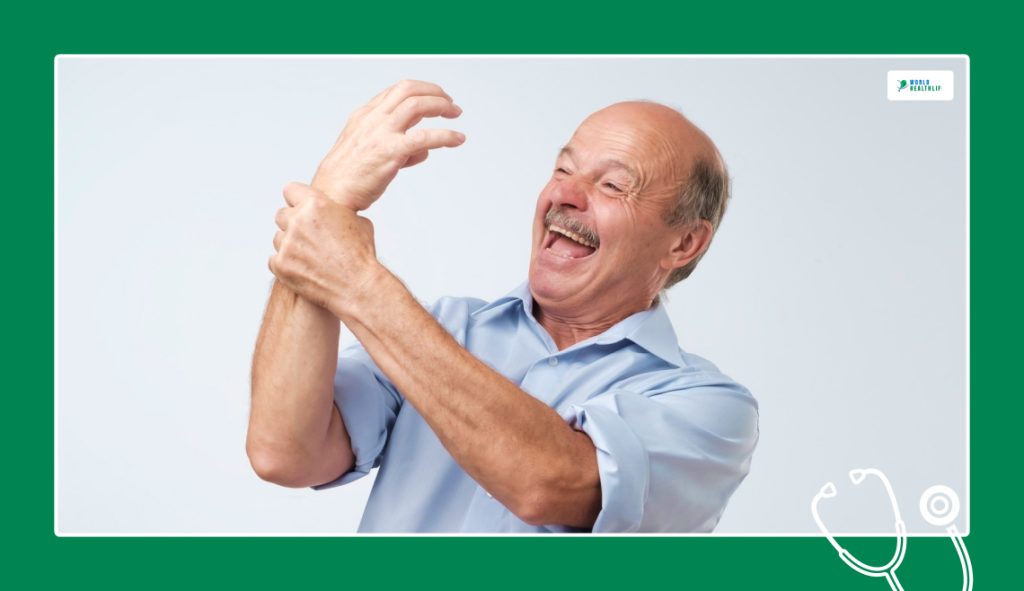
The precise behavior of the rebellious limb is fully dependent on which area of the brain has been compromised.
Neurologists classify Alien Hand Syndrome into three primary subtypes.
The Frontal Subtype
This variant stems from damage to the medial frontal cortex of the brain. Typically, it affects the dominant hand of the patient.
The primary symptom is compulsive grasping along with exploratory behavior. The hand will automatically reach out and touch nearby objects. It will hold onto items tightly.
Once the hand grabs an object, the patient faces extreme difficulty in letting it go. Moreover, their brain struggles to send the voluntary command to relax the grip.
The Callosal Subtype
This form of AHS occurs when the damage is targeted towards the corpus callosum. This is the largest bridge of nerve fibers connecting the left and right hemispheres. Furthemore, the damage causes inter-manual conflict.
The two hands actively work against one another. For example, the patient may use their healthy right hand to button a shirt.
Meanwhile, the alien left hand follows right behind and unbuttons it. The hands can even fight over a steering wheel or utensils.
The Posterior Subtype
In this subtype of AHS, injuries in the parietal or occipital lobes are linked. Its symptoms are unique due to featuring a severe emotional detachment.
Patients often refuse to recognize the limb as their own. Furthermore, they can even make claims that it belongs to someone else entirely.
This type also features autonomous limb levitation. Here, the arm will drift slowly upward into the air without any conscious effort or awareness from the patient.
What Causes Alien Hand Syndrome
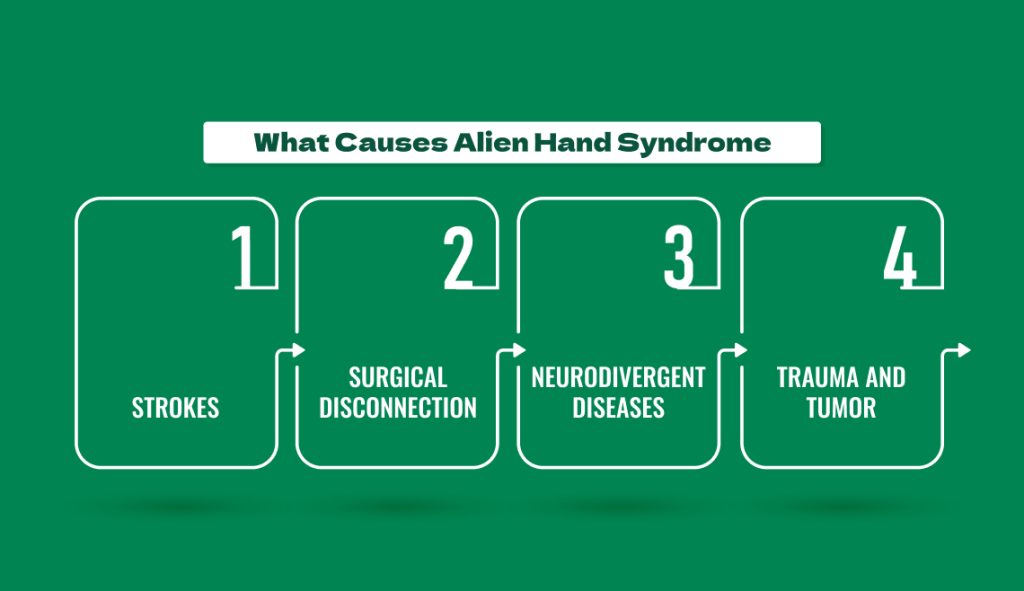
Alien Hand Syndrome is never a standalone disease. Rather, it is always a secondary symptom. Furthermore, it points to significant physical damage or disruption in the brain’s structural pathways.
Strokes
Ischemic or hemorrhagic strokes are the most common cause of AHS. This is especially true for strokes that involve the anterior cerebral artery, which supplies blood to vital frontal and midline brain structures.
When blood flow is blocked, the tissue dies. As a result, this causes disruptions in the networks that coordinate motor planning and execution.
Surgical Disconnection
Historically, AHS was a known side effect of a surgical procedure which is called a corpus callosotomy. This split-brain surgery severs the corpus callosum to treat severe drug-resistant epilepsy.
While this successfully stops seizures from spreading across the brain, it cuts the main communication line between the hemispheres, which leads directly to callosal conflict.
Neurodivergent Diseases
AHS can appear gradually in the form of a symptom of progressive brain diseases. It is highly associated with Corticobasal Degeneration (CBD).
This is a rare neurodegenerative disease that causes nerve cells to shrink and die over time.
It can also appear in advanced stages of Alzheimer’s disease and Creutzfeldt-Jakob disease (CJD).
Trauma And Tumor
Any localized physical disruption can cause the syndrome. Midline brain tumors can press against the corpus callosum or frontal lobes.
Penetrating head trauma, aneurysms, or brain infections can also destroy local pathways, which can trigger sudden alien limb behaviors.
Living With A Rebellious Limb: Management And Coping
While there is no cure for Alien Hand Syndrome, management focuses on helping patients regain control of their daily lives.
If AHS is caused by a sudden stroke, symptoms may improve over time as the brain heals. On the contrary, cases that are caused by progressive neurodegenerative diseases are typically permanent.
Behavioral Workarounds
Patients use clever behavioral strategies to manage an autonomous hand. Here, the most effective method is sensory distraction. When the alien hand is given a specific task, it is kept from causing trouble.
For instance, holding a stress ball, cane, or small object keeps the hand occupied. This helps in preventing it from grabbing unwanted items or fighting the healthy hand.
Physical Restraints
When behavioral tricks fail, physical restraints offer safety and peace of mind.
Some individuals wear a heavy oven mitt or a thick glove on the affected hand. This removes its ability to manipulate buttons, zippers, or objects. Other patients physically secure the arm.
They may also sit on the hand during meals or secure it to their belt loop while walking in public.
Medical Interventions
Occupational and physical therapy are crucial for recovery. Therapists use mirror box therapy and visual coaching to help the brain build new pathways.
Doctors may also use targeted medical treatments. Botulinum toxin (Botox) injections can be used to relax the arm muscles. Moreover, this temporarily weakens the limb, reducing its ability to perform aggressive or disruptive movements.
Fact Vs Fiction: Pop Culture Adaptations
Since the condition is so visually dramatic, film, television, and literature have frequently adapted it. However, Hollywood usually exaggerates the symptoms for comedic or horrific events, distorting the clinical reality.
| Pop Culture Fiction | Clinical Fact |
| The hand tries to strangle the host. In movies such as Idle Hands or Dr. Strangelove, the autonomous hand makes a violent attempt on the patient to choke them. | True self-harm is incredibly rare. While inter-manual conflict is common, the alien hand rarely shows any malicious or homicidal intent toward the patient. Instead, it may do something as simple as one hand unbuttoning a shirt that the other had buttoned. It behaves more like a confused and hyperactive child grabbing nearby items instead of an assassin. |
| The limb possesses supernatural strength or skills. Media usually portrays the affected hand as suddenly acquiring elite piano-playing skills, writing complex codes, or lifting impossible weights. | The hand only uses existing motor skills. The alien hand cannot perform tasks the patient did not already know how to do. Moreover, if a patient cannot play the piano with their dominant hand, the alien will also not start to suddenly play a concerto. It will merely press the keys randomly. |
| Chopping off the hand solves the problem. Horror tropes generally suggest severing the limb to “free” the host from the affliction. | The problem is in the brain, not the limb. The hand itself is completely healthy. In addition, amputation of the limb does not fix the underlying neurological damage (such as a stroke or tumor) and only results in permanent physical trauma. |
The Fragile Mechanics Of Human Free Will: A Final Note
Alien Hand Syndrome is more than a medical anomaly. Instead, it is a profound reminder of the way our brains construct our sense of self.
We take our free will for granted each day while assuming our hands move simply because we want them to. However, in the case of AHS, it has been proven that our sense of personal agency relies on a fragile network of brain connections.
When you live with this condition, it brings immense emotional and psychological challenges. In addition, it can cause deep frustration, anxiety, and social isolation.
Patients are required to navigate a world where their own body feels like an adversary. Increased clinical awareness is vital to ensure that patients receive accurate diagnoses and compassionate support.
AHS shows that the line between our conscious minds and our physical bodies is deeply complex.
References:
- Alien Hand Syndrome: Cleveland Clinic. https://my.clevelandclinic.org/health/diseases/alien-hand-syndrome
- Manea MC, Iliuta FP, Manea M, Lacau RM, Varlam CI, Mares AM, Ciobanu CA, Ciobanu AM. Alien hand syndrome: Pathophysiology, semiology and differential diagnosis with psychiatric disorders (Review). Biomed Rep. 2024 Mar 11;20(5):74. doi: 10.3892/br.2024.1762. PMID: 38544960; PMCID: PMC10963944.
- What Is Alien Hand Syndrome?: WebMD. https://www.webmd.com/brain/what-is-alien-hand-syndrome