The urge you get to test usually starts the moment the thought even arrives.
That is sometimes days before your period is even due. The feeling is actually pretty understandable.
However, testing at the wrong time is the biggest reason people tend to get confusing results in the first place.
For example, a negative result can turn positive just two days later.
So, exactly when can I take a pregnancy test and trust what it says? Actually, for most people, the best time is the first day of a missed period.
On the other hand, some tests can detect a pregnancy a few days earlier.
So, this guide aims to explain just exactly how these tests tend to work.
Besides that, it would delve deep into the earliest and most reliable times to test, how you can use one correctly, and what you can do with the result.
How A Pregnancy Test Works
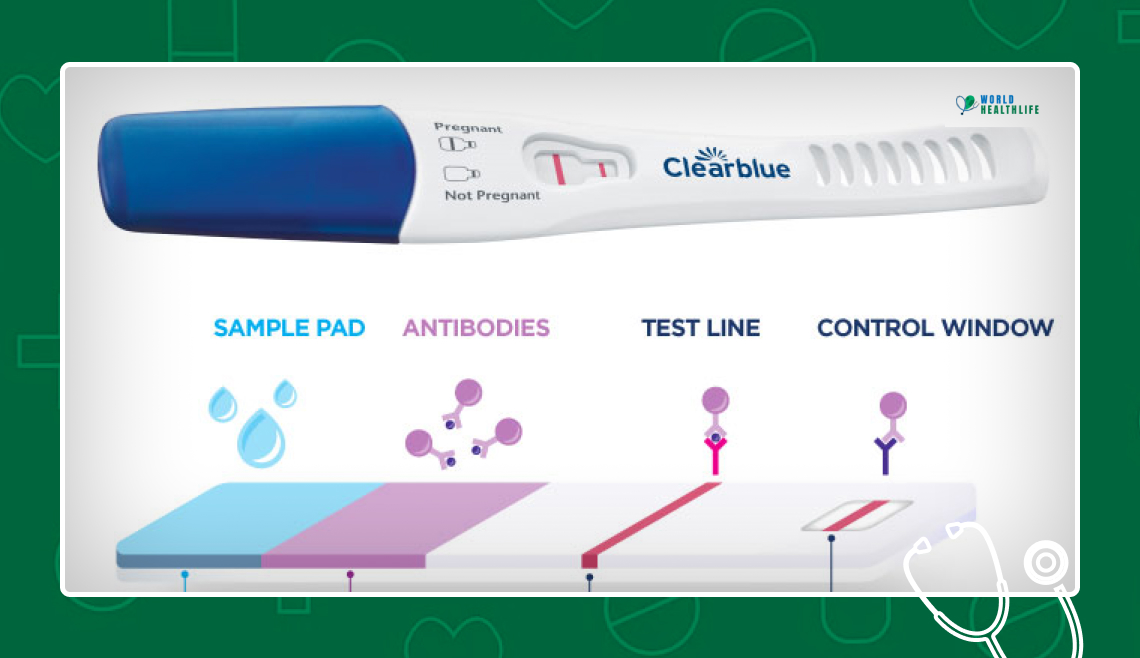
Home pregnancy tests detect human chorionic gonadotropin (hCG).
This is actually a hormone your body that starts making after a fertilized egg attaches to the uterine lining.
Before implantation, there is no hCG to find.
After it, levels rise quickly. Thus, timing matters more than the brand you buy. Understanding this makes the “when” much easier to work out.
Why Timing Depends On Implantation
Fertilization happens within about day of ovulation. However, implantation usually occurs 6 to 12 days later.
Only then does hCG enter your blood, which takes another day or two to reach your urine in amounts a test can detect.
When it comes to a healthy early pregnancy, hCG roughly tends to double every 48 to 72 hours.
Thus, a test taken two days later can look pretty different.
Why Tests Differ In Sensitivity
Each test has a detection threshold, which is usually between 10 and 25 mlU/mL.
When a test has higher sensitivity, it can pick up lower hormone levels. This is the reason why brands advertise results several days before a missed period.
Even so, no test can truly detect a pregnancy that has not been implanted yet. Moreover, the claims on the box are on the basis of ideal conditions.
When Can I Take A Pregnancy Test? The Reliable Timeline

The safest answer would be to wait until the first day of your missed period. In case you want to test earlier, the chance of an accurate result drops the further back you go.
Below, the table shows what to expect, counted from ovulation.
| When You Test | How Reliable | What To Know |
| 1 to 9 days after ovulation | Very low | Implantation may not have happened yet. |
| 10 to 11 days after ovulation | Low to moderate | Requires sensitive tests; many pregnancies still read negative. |
| 12 to 14 days after ovulation | Good | Roughly the time your expected period is due. |
| First day of a missed period | About 99% with correct use | This is the standard diagnostic advice. |
| One week after a missed period | Very high | A negative result at this stage is highly conclusive |
The Earliest You Can Test
Some people get a positive result 10 to 12 days after ovulation. However, it is far from guaranteed.
According to studies, it has been shown that only a minority of pregnancies are detectable at 10 days. On the other hand, most of them are detectable by the day of the missed period.
So, a negative result that early does not necessarily rule out pregnancy. Moreover, a faint line is pretty common.
When Can I Take A Pregnancy Test If My Cycle Is Irregular?
In case your cycles vary, you may not know when ovulation happened. This makes counting hard
In that case, you have to wait at least 21 days after the last time you had unprotected sex. Following that, proceed with the test.
If your period still has not arrived and the test is negative, repeat it a week later. Moreover, a doctor can also arrange a blood test if you need an answer sooner.
Urine Tests Vs. Blood Tests
There are two ways to check for pregnancy. In addition, they tend to differ in how early they can detect it.
The majority of people start with a home urine test. On the other hand, a blood test is used when an earlier or more precise answer is needed.
| Type | How early | Accuracy | Notes |
| Home Urine Test | 10 to 14 days after ovulation | High from the day of the missed period | Cost-effective, accessible, and private. |
| Qualitative Blood Test | 8 to 11 days after ovulation | Very high | Simple yes/no confirmation that hCG is present. |
| Quantitative (Beta hCG) Blood Test | 8 to 11 days after ovulation | Very high | Measures the exact numeric level; repeated in 48 hours to check doubling. |
When A Blood Test Makes Sense
Doctors tend to use blood tests for fertility treatment, a history of ectopic pregnancy, or miscarriage.
When symptoms and home results do not match, doctors can also opt for this.
Because the number shows how fast hCG is rising, it also helps tell a healthy early pregnancy from a problem.
How To Get The Most Accurate Result
Even at the right time, a few habits tend to improve accuracy. The majority of the wrong results come from small mistakes.
It does not happen with faulty tests.
Use First-Morning Urine
Urine is most concentrated after a good night’s sleep. So, it holds the highest hCG levels of the day.
This aspect is considered of utmost importance in case you take the test early.
However, if you test later in the day, try to avoid drinking large amounts of fluid for a couple of hours beforehand.
Follow The Instructions Exactly
Check the expiry date, hold the strip in the stream for the stated time, and place the test flat while it develops.
In addition to this, read the result only within the window on the packaging, usually 3 to 5 minutes.
A line that appears later may be an evaporation line. So, usually, it does not count.
Know How To Read The Result
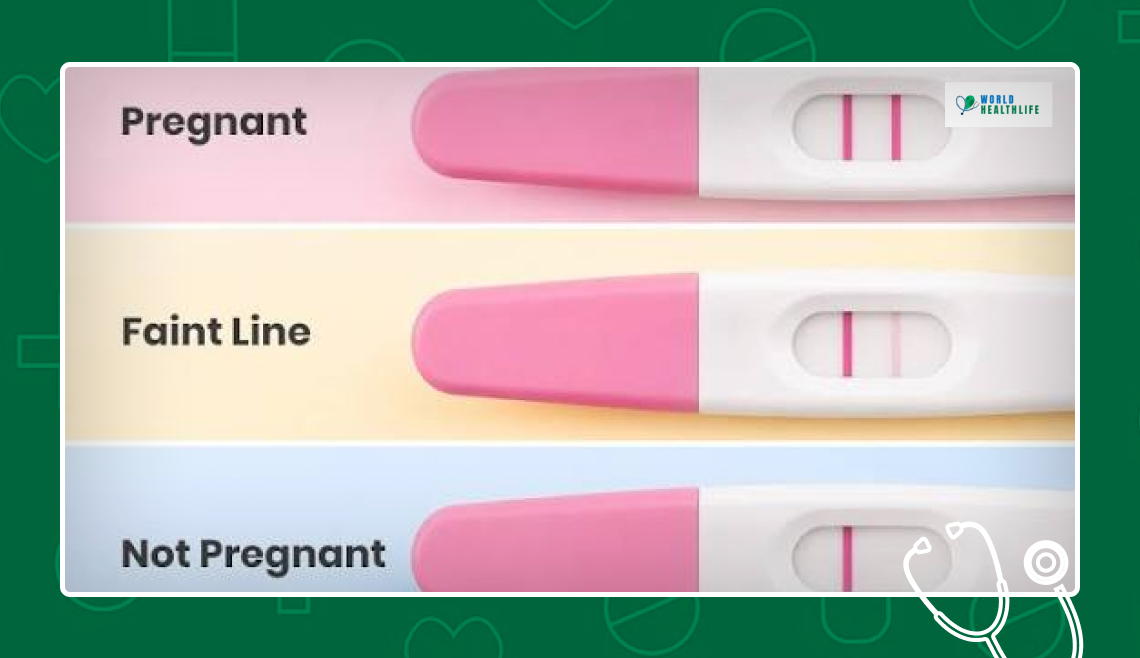
Two lines, a plus sign, or the word “pregnant” mean a positive.
A very faint line with color is still usually positive. On the other hand, a missing control line means the test is invalid.
If you see a faint line or are just not sure, retest in 48 hours with first-morning urine.
What The Result Means
Whichever result you get, the next step depends on timing. Moreover, it helps to know what each outcome suggests and what to do next.
| Result | What It Likely Means | What To Do |
| Positive | You are very likely pregnant. | Call your doctor to schedule an initial prenatal care appointment. |
| Faint positive | Early pregnancy, or low tracking hCG levels. | Retest in 48 hours; request a quantitative blood test if unclear. |
| Negative, tested early | It may simply be too early for the test to detect hCG. | Wait and retest in 2 to 3 days or after your missed period. |
| Negative, a week after missed period | You are very likely not pregnant. | Consult a doctor to investigate other reasons why your period is late. |
| Invalid | The test mechanism failed or was used incorrectly. | Discard the device and test again using a brand-new kit. |
A Negative Result And A Late Period
There are a myriad of things that play a key role in a delay in your periods. They include:
- Stress
- Illness
- Travel
- Weight changes
- Thyroid issues
- Polycystic ovary syndrome (PCOS)
- Breastfeeding
If you test negative, test again a week apart and still have no period, see a doctor to find the reason.
A Positive Result
So here is the thing.
Congratulations may or may not be the right word for you. Either way, it is actually pretty normal.
Book a prenatal visit within the first eight weeks.
Then, start folic acid at 400 micrograms daily if you still have not. In addition, try your best to avoid and stop alcohol and smoking fully.
Finally, ask your pharmacist before you take up on any new medication.
Special Situations
Timing guidance shifts in a few circumstances. So, a general rule may not fit everyone.
After Fertility Treatment
In case you have taken an hCG trigger injection, it can stay in your system for about 7 to 14 days. Moreover, it may cause a false positive if you test too early.
Ask your clinic when to test. That is because most schedule a blood test around 10 to 14 days after the procedure.
After A Miscarraige Or Birth
The hormone, hCG, can stay in your body for several weeks after a pregnancy ends.
So, that is exactly why a test may remain positive until levels fall.
In addition, ask your doctor when a test will give a clear answer.
While Taking Birth Control Or After Stopping It
Hormonal contraception doesn’t affect the test result.
If you stopped the pill recently, your cycle may take a few months to settle, so use the 21-day rule if your periods are unpredictable.
When To See A Doctor
Book an appointment if you have a positive test, if your period is more than a week late with a negative result.
You may also do that if you have had a history of:
- Ectopic pregnancy
- Miscarriage
- Fertility treatment.
A blood test can also settle a confusing faint line.
Seek urgent care for sharp one-sided pelvic pain, shoulder-tip pain, dizziness or fainting, or bleeding that soaks a pad within an hour. Do that, especially after a positive test.
These can be signs of an ectopic pregnancy.
So, when can I take a pregnancy test?
The earliest sensible time is about 10 to 12 days after ovulation. However, the most dependable time is the first day of your missed period.
If you can wait, the answer you get will be clearer. In case you are unable to do so, test with first-morning urine, and plan to repeat it in two days.
Disclaimer: The information provided in this article is for general informational purposes only. It does not, and is not intended to, constitute medical or health advice. Please consult a qualified healthcare professional for medical guidance or expert health assistance.
References
- NHS.UK. (2026, May 8). Doing a pregnancy test. nhs.uk.
- Sundermann, A. C., Jasper, E. A., Z Jukic, A. M., Rothman, K. J., & Wise, L. A. (2026). Pregnancy Test Use and Timing of Pregnancy Detection in a Prospective Cohort of Pregnancy Planners. Obstetrics and Gynecology, 147(3), 394. PubMed Central.
- Ralph, L. J., Foster, D. G., Barar, R., & Rocca, C. H. (2021). Home pregnancy test use and timing of pregnancy confirmation among people seeking health care. Contraception, 107, 10–16. PubMed Central.
- Cleveland Clinic. (2026, March 23). Pregnancy tests. Cleveland Clinic.